**José Azevedo: Reflections on Integrity, Doping, and the Shadows of Professional Cycling**
In the world of professional cycling, few figures evoke as much admiration and controversy as José Azevedo. Known for his tenacity, resilience, and undeniable talent, Azevedo has carved out a significant place in the sport’s history. Yet, his career has also been marked by the pervasive shadow of doping allegations and suspicions that have haunted the peloton for decades. Among his notable statements is his candid remark: *”If I know today that Lance Armstrong consumed banned substances, it’s because he said so; I never saw it.”* This statement encapsulates the complex interplay between personal conviction, public perception, and the murky realities of doping in cycling.
This article delves deeply into José Azevedo’s career, his perspectives on doping, the broader doping scandals that have rocked the sport, and the nuanced debates surrounding evidence, rumor, and truth.
Early Life and Career Beginnings
Born on July 17, 1980, in Oliveira de Azeméis, Portugal, José Azevedo showed prodigious talent early on. His dedication to cycling earned him national recognition, and he quickly rose through the ranks of the sport. Known for his climbing ability and aggressive racing style, Azevedo became a mainstay in international competitions, representing Portugal in numerous World Championships, Olympic Games, and multi-stage races.
His career highlights include stage wins in the Vuelta a España and Tour de France, as well as podium finishes in several prestigious one-day races. Yet, beyond his athletic achievements, Azevedo’s career has been intertwined with the persistent issues of doping that have plagued cycling.
The Doping Scandals in Cycling: A Context
Cycling has long struggled with doping allegations. From the notorious Festina Affair in 1998 to the widespread investigations into the Operación Puerto scandal, the sport has periodically been rocked by revelations of systematic doping practices.
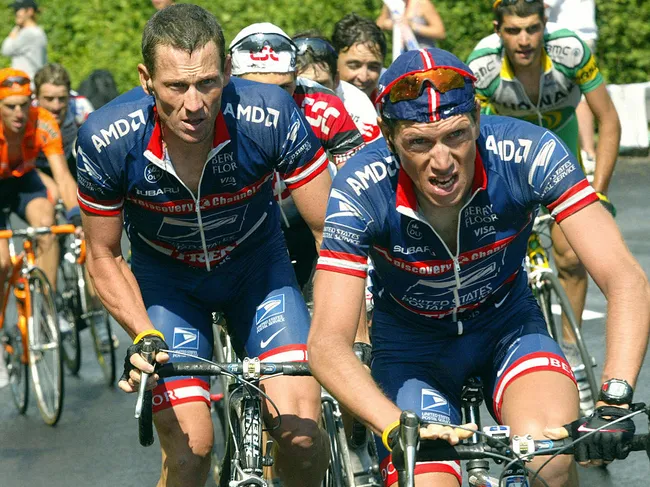
Lance Armstrong’s case is perhaps the most prominent. Once celebrated as a seven-time Tour de France winner, Armstrong was stripped of his titles after it was proven that he engaged in a sophisticated doping program. His eventual admission in 2013 to using banned substances and methods cast a long shadow over the sport.
Within this climate of suspicion, cyclists like Azevedo have been scrutinized, often accused based on circumstantial evidence or hearsay. The question of innocence versus guilt remains central to ongoing debates.
José Azevedo’s Perspective on Doping and the Lance Armstrong Case
Azevedo’s statement, “If I know today that Lance Armstrong consumed banned substances, it’s because he said so; I never saw it,” reflects a cautious stance rooted in personal integrity and skepticism of unverified allegations.
This viewpoint underscores a critical aspect of the doping debate: the distinction between suspicion and proof. Many athletes and fans alike have questioned the extent of doping in cycling, but concrete evidence is often elusive. Azevedo’s reliance on Armstrong’s own admission emphasizes the importance of testimony and confession over conjecture.
Furthermore, Azevedo’s words suggest a recognition of the difficulty in uncovering the truth in a sport where doping practices have historically been clandestine. His stance also highlights an important principle: the presumption of innocence unless proven guilty through clear evidence.
The Challenge of Evidence and the Role of Athletes
In professional sports, especially cycling, allegations of doping can tarnish careers, reputations, and the integrity of the sport itself. Athletes like Azevedo, who have maintained their innocence or expressed skepticism about accusations without direct evidence, often find themselves caught between public suspicion and personal conviction.
Azevedo’s approach exemplifies a narrative common among some cyclists: advocating for fairness, transparency, and the presumption of innocence until irrefutable proof emerges. This stance has sometimes placed him at odds with those demanding harsher penalties based on circumstantial evidence.
The Impact of Doping Allegations on Azevedo’s Career
While Azevedo has not faced the same level of scandal as Lance Armstrong, the doping climate has inevitably affected his career trajectory. The pervasive suspicion in cycling has led to heightened scrutiny of all riders, regardless of their personal involvement or innocence.
Despite this, Azevedo continued to compete at a high level, earning respect for his resilience and commitment. His candidness about doping issues has often been seen as a call for honesty and integrity within the sport.
Broader Reflections: Trust, Truth, and the Future of Cycling
Azevedo’s comments invite broader reflection on the nature of truth in sports. Is it possible to ever know the complete reality of doping practices? To what extent should athletes be held accountable based on self-confession, circumstantial evidence, or investigative findings?
The Lance Armstrong saga exemplifies the complexities: a confessed doping program that was systematically concealed, yet whose revelations have catalyzed reforms and increased scrutiny. Athletes like Azevedo argue for a balanced approach—presuming innocence, demanding concrete evidence, and fostering a culture of clean sport.
Moving forward, cycling continues to evolve with advancements in doping detection, stricter regulations, and a renewed focus on ethics. The hope remains that transparency and integrity will prevail, and that athletes dedicated to fair competition can thrive without the shadow of suspicion.
José Azevedo’s career and perspectives exemplify the nuanced realities of professional cycling’s ongoing battle with doping. His statement about Lance Armstrong underscores a belief in the importance of personal testimony and the presumption of innocence, cautioning against assumptions without proof.
In a sport scarred by scandal but also capable of renewal, Azevedo’s voice serves as a reminder of the need for fairness, honesty, and perseverance. As cycling continues to confront its past and strive for a transparent future, the lessons from athletes like Azevedo will remain vital—championing integrity in the face of adversity.