**Mathieu van der Poel Claims Tour de France Lead After Stage 2 Win:
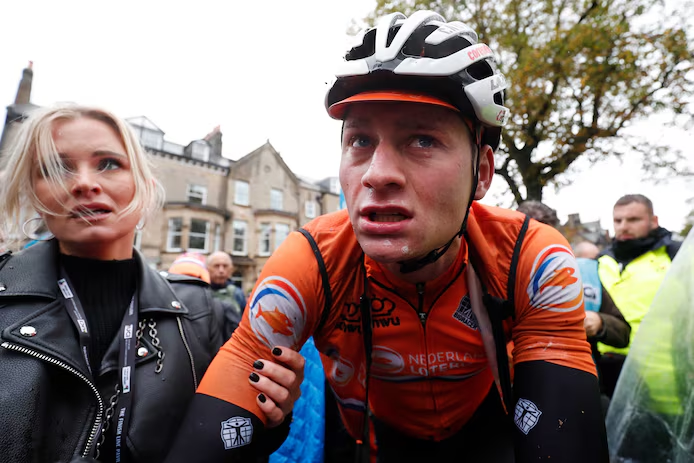
The 2025 Tour de France has already delivered exhilarating moments, unexpected twists, and remarkable performances, and one of the most captivating developments emerged after Stage 2 when Dutch cyclist Mathieu van der Poel seized the race lead following an impressive victory. Van der Poel’s triumph not only showcased his exceptional talent and versatility but also set the tone for what promises to be a fiercely competitive and unpredictable edition of the world’s most prestigious cycling race.
The Context: A Race of Many Talents
Mathieu van der Poel, renowned for his explosive power, cyclo-cross prowess, and all-around cycling capabilities, entered the 2024 Tour de France with high expectations. Having previously demonstrated his ability to excel across various terrains—mountains, sprints, and classics—he was considered a potential contender for stage wins and overall classification.
The early stages of the 2024 Tour were characterized by challenging parcours, including flat sprints, rolling terrain, and strategic breakaways. The opening stage, a relatively flat individual time trial, set the stage for intense competition, but it was Stage 2 that truly captured the imagination of fans and analysts alike.
Stage 2 Breakdown: From Start to Finish
Stage 2 covered approximately 180 kilometers, starting from the coastal city of Dunkirk and culminating in a hilly finish in Roubaix. The route was designed to favor opportunistic riders and those with a versatile skill set. Early in the stage, a breakaway group established itself, comprising riders from various teams attempting to gain a time advantage over the peloton.
Despite numerous attacks and counterattacks, the peloton remained cohesive for much of the day. Van der Poel, riding for his Dutch-based Alpecin-Deceuninck team, positioned himself strategically within the peloton, conserving energy and monitoring the key moves.
The decisive moment came in the final 20 kilometers, as the terrain became increasingly challenging with cobblestones, short climbs, and technical sections. Van der Poel launched a powerful attack on the penultimate climb, a steep categorised hill that fragmented the peloton. His aggressive move caught many off guard, allowing him to establish a significant gap.
In the closing kilometers, Van der Poel’s strength and tactical nous shone through. Despite a spirited chase from rival sprinters and climbers, he maintained his lead, crossing the finish line solo with a commanding margin. His time not only secured him the stage victory but also catapulted him into the overall race lead.
Strategic Significance of the Win
Van der Poel’s stage victory was more than just a personal achievement; it had profound implications for the overall classification and race dynamics.
1. **Race Lead Acquisition:** By claiming the stage win and gaining bonus seconds at the finish line, Van der Poel overtook previous race leader, Jonas Vingegaard of Team Jumbo-Visma. This marked a significant shift in the race’s momentum, positioning Van der Poel as a genuine contender for the general classification (GC).
2. **Team Strategy:** The victory underscored the effectiveness of the Alpecin-Deceuninck team’s strategic approach. With Van der Poel as their leader, the team demonstrated tactical discipline, controlling critical sections and supporting him during the decisive attack.
3. **Psychological Edge:** Securing the yellow jersey early in the race provided Van der Poel with a confidence boost and added pressure on rivals. It also allowed his team to dictate race pace and respond proactively to attacks.
The Broader Implications for the Tour de France
Van der Poel’s success in Stage 2 raises several questions and possibilities for the remainder of the race:
– **Versatility as a Contender:** His ability to excel on cobblestones, climbs, and sprints reinforces his reputation as a multifaceted rider capable of contesting multiple classifications.
– **Rivalries and Tactics:** The early lead invites intense competition from traditional GC contenders such as Vingegaard, Tadej Pogačar, and Geraint Thomas. These rivals may need to reassess their strategies to neutralize Van der Poel’s threat.
– **Potential for Stage Wins and Jersey Defense:** With the leader’s jersey secured, Van der Poel’s team can focus on defending it while also targeting stage wins in subsequent days, particularly in mountain stages or challenging terrains.
– **Impact on Race Dynamics:** The race’s narrative has shifted from a tentative start to a more aggressive pursuit, with Van der Poel’s leadership encouraging other riders to attack and seek opportunities.
The Road Ahead: Challenges and Opportunities
While Van der Poel’s early dominance is promising, the Tour de France is long and unpredictable. The upcoming stages feature grueling mountain climbs in the Alps and Pyrenees, time trial battles, and potential for weather-related surprises.
Key considerations include:
– **Mountain Stages:** Van der Poel’s climbing ability will be tested. While he has demonstrated strength on steep gradients, the high-altitude ascents will challenge his endurance against seasoned climbers.
– **Team Support:** Maintaining the yellow jersey requires strategic support from his teammates, including protective riding in the peloton and assistance during critical moments.
– **Rival Strategies:** Other GC contenders will likely intensify their efforts in the mountains, aiming to overturn Van der Poel’s lead. Attacks on key climbs and tactical maneuvers could reshape the standings.
– **Injury and Fatigue:** Managing physical strain and avoiding crashes or illness will be critical as the race progresses through demanding terrains.
Expert Opinions and Public Reception
Cycling analysts have lauded Van der Poel’s performance as a demonstration of his exceptional talent and race intelligence. Former champions and commentators emphasize his potential to challenge the traditional GC favorites, noting that his aggressive style and versatility make the race more unpredictable and exciting.
Fans have responded enthusiastically, celebrating his victory and the compelling narrative it adds to this year’s Tour. Social media buzz reflects admiration for his daring attacks and resilience, further elevating his status as a fan favorite.
: A Promising Start with Eyes on the Future
Mathieu van der Poel’s claim to the Tour de France lead after Stage 2 marks a pivotal moment in the 2025 edition. His victory not only highlights his extraordinary capabilities but also reshapes the race’s strategic landscape. As the peloton prepares for the upcoming mountain stages and time trials, all eyes will be on Van der Poel to see if he can sustain his form and contend for the prestigious yellow jersey over the grueling weeks ahead.