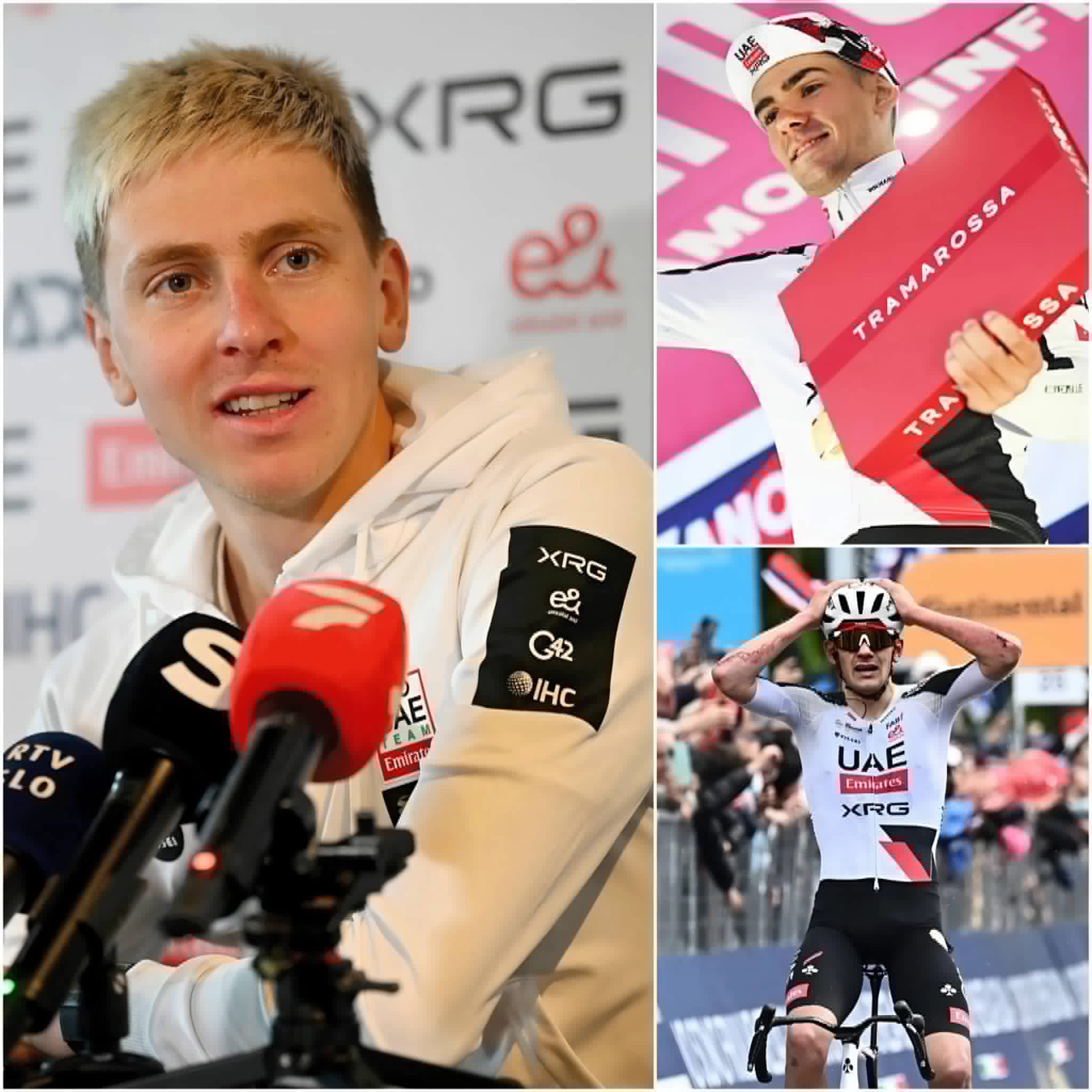
**Doomsday Scenario Looms for Thibau Nys in Tour de France: A Deep Dive into the Challenges Facing the Young Cyclist**
The Tour de France, the world’s most prestigious and grueling cycling race, is renowned for its unpredictable nature, intense competition, and the emergence of both legendary champions and promising talents. Among the rising stars is Thibau Nys, a young cyclist whose talent and potential have garnered considerable attention. However, as the race progresses, a looming doomsday scenario threatens to derail his ambitions, casting a shadow over his future prospects. This article explores the multifaceted challenges facing Thibau Nys in this year’s Tour, analyzing the factors contributing to the dire outlook and contemplating the broader implications for his career.
Thibau Nys, born in 2001, is a Belgian cyclist and the son of the legendary cyclo-cross champion Sven Nys. With a pedigree rooted in cycling excellence, Thibau quickly established himself as a promising talent on the road, showcasing versatility across various terrains and disciplines. His entry into professional cycling was marked by impressive results in junior and under-23 categories, fueling expectations that he could be a future leader in grand tours.

Initially competing for Baloise Trek-Liesveld, Nys displayed remarkable climbing ability, tactical acumen, and resilience. By the time he entered this year’s Tour de France, he was regarded as a potential breakout star, with many analysts predicting he could make a significant impact, especially in mountain stages and breakaways.
As the Tour progressed into its critical phases, Thibau Nys found himself navigating a complex landscape. Leading contenders jostled for supremacy, with strong teams like INEOS Grenadiers, Jumbo-Visma, and UAE Team Emirates dominating the narrative. Nys, riding for his team, initially showed promise in early stages but soon encountered insurmountable obstacles.
Positioned in the peloton, Nys struggled to keep pace with the elite climbers during mountain ascents. His efforts in breakaways, while valiant, often resulted in exhaustion without substantial gains. The race’s demanding terrain exposed vulnerabilities for Nys—limitations in endurance, tactical missteps, or perhaps insufficient support—leading to speculation about his future prospects in the race.
The phrase “Doomsday scenario” in this context refers to the combination of misfortune, strategic setbacks, and physical setbacks that threaten to eliminate Nys from contention altogether. Specifically, it encompasses:
– **Elimination from the Race:** A crash or mechanical failure in a critical stage could force Nys to abandon the Tour prematurely.
– **Loss of General Classification (GC) Position:** Falling far behind the leaders due to time gaps, effectively ending his hopes of a high overall finish.
– **Injury or Health Issues:** Illness, dehydration, or injury could sideline him for the remainder of the race.
– **Team Dynamics and Support Failures:** Lack of team support or strategic miscalculations that leave him isolated.
– **Psychological Impact:** The mental toll of setbacks could erode confidence, leading to further underperformance.
The convergence of these factors could spell a “doomsday” for Nys’s Tour ambitions, with lasting repercussions on his career trajectory.
Several elements have contributed to this grim outlook:
Despite his talent, Nys’s current physiological profile suggests he is still developing the endurance required for three-week grand tours. His climbing and recovery skills, while promising, are not yet at the level of seasoned GC contenders. This gap becomes more pronounced in the latter stages of the Tour, where fatigue compounds weaknesses.
Strategic and Tactical Challenges**
In a race like the Tour, race-day decisions are critical. Nys has occasionally misjudged breakaway timings or failed to respond effectively to attacks. Such tactical errors can lead to unnecessary time losses or isolation.
Team Support Dynamics**
Cycling is a team sport, and support roles are pivotal. If Nys’s team lacks the depth or coordination necessary to shield him during mountain stages or protect him from attacks, his chances diminish rapidly. Any internal conflicts or miscommunications can exacerbate his vulnerabilities.
External Factors: Crashes and Mechanical Failures**
The unpredictable nature of the Tour means that crashes and mechanical issues are common. An unfortunate fall or bike malfunction in a decisive moment could eliminate him or significantly impair his standings.
The pressure of competing at the highest level, coupled with high expectations, can impact performance. A few bad days or setbacks can erode confidence, leading to a downward spiral.
Historical Parallels and Lessons**
Historically, many promising young riders have faced similar scenarios. For instance, in previous Tours, young contenders have encountered setbacks—be it crashes, illness, or tactical errors—that derailed their campaigns. Some have recovered and gone on to achieve great success, while others faded into obscurity.
One notable example is the 2010 Tour, where a young Andy Schleck suffered a crash on Alpe d’Huez, losing significant time and ending his GC hopes. His resilience post-Tour led to future successes, illustrating that setbacks are not necessarily the end.
For Nys, the key lies in how he navigates the coming stages—whether he can adapt, recover, and seize opportunities or succumb to the mounting pressures.
Broader Implications for Thibau Nys’s Career**
A premature exit or a poor performance in this year’s Tour could have several implications:
– **Confidence and Reputation:** A difficult Tour might shake his confidence but could also serve as a learning experience.
– **Team and Sponsorship Dynamics:** Performance impacts team support and sponsorship opportunities.
– **Future Grand Tours:** The experience gained will be invaluable for future races, potentially shaping his development as a GC contender.
– **Market Value and Contract Negotiations:** Results influence contract negotiations and endorsements.
However, setbacks are often part of the growth process, especially for young athletes. Many cycling legends faced early disappointments but persevered to attain greatness.
Strategies and Recommendations to Mitigate the Doomsday Scenario**
While the scenario appears bleak, strategic adjustments can still alter the trajectory:
– **Focus on Stage Wins and Breakaways:** Instead of chasing GC, targeting stage victories can salvage pride and momentum.
– **Prioritize Recovery and Nutrition:** Ensuring optimal recovery to maintain physical resilience.
– **Leverage Team Support:** Coordinating closely with teammates for tactical positioning.
– **Mental Resilience:** Engaging sports psychologists to maintain focus and confidence.
– **Learning from Mistakes:** Analyzing errors and adjusting tactics for upcoming stages.
Thibau Nys’s journey in this year’s Tour de France exemplifies the unpredictable and unforgiving nature of professional cycling. While a doomsday scenario looms due to physical, tactical, or external factors, it’s essential to recognize that setbacks are part of athletic growth. With resilience, strategic adaptation, and team support, Nys can still turn the tide and emerge stronger.
The looming adversity underscores the harsh realities faced by young athletes at the pinnacle of their careers. Whether this year’s Tour becomes a defining moment of resilience or a setback will depend on how Nys responds to the challenges ahead.
**In the grand tapestry of cycling history, every obstacle presents an opportunity for redemption. For Thibau Nys, the coming days will be crucial in shaping his future.**