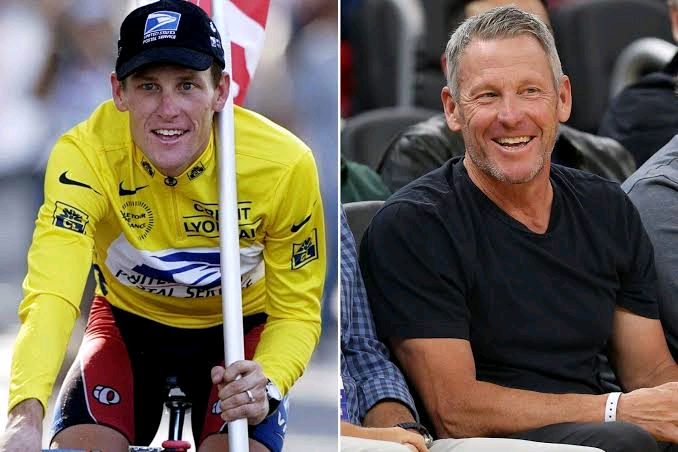
Lance Armstrong: The Rise, Fall, and Legacy of a Cycling Legend.
Lance Armstrong is a name that resonates deeply within the world of professional cycling and sports at large. Celebrated for his extraordinary achievements, resilience, and subsequent scandal, Armstrong’s story is one of triumph and controversy that has captivated millions worldwide. From his early life and rise to athletic prominence to his doping scandal and efforts at redemption, Lance Armstrong’s journey encapsulates the complex nature of competitive sports, ethics, and personal perseverance.
Early Life and Background
Lance Edward Armstrong was born on September 18, 1971, in Plano, Texas. Raised in a middle-class family, Armstrong exhibited an early interest in sports, excelling in both swimming and triathlon as a child. His athletic talent was evident from a young age, and he quickly became a promising athlete in multiple disciplines.
At 16, Armstrong focused more intensively on triathlons, achieving notable success in youth competitions. His dedication and competitive spirit set the stage for his future endeavors in endurance sports.
Entry into Professional Cycling
In the early 1990s, Lance Armstrong transitioned from triathlons to professional cycling, recognizing the sport’s grueling demands and his potential to excel. His early years in cycling were marked by rapid improvement and notable performances, including winning the 1993 U.S. National Amateur Road Race Championship.
Armstrong’s aggressive riding style and determination earned him recognition, and by the mid-1990s, he was establishing himself as a formidable contender in international races. His early career was characterized by grit, resilience, and an unrelenting drive to succeed.
The Battle with Cancer
One of the defining periods in Armstrong’s life occurred in 1996 when he was diagnosed with stage three testicular cancer, which had metastasized to his lungs and brain. This diagnosis was a devastating blow, threatening not only his career but his very life.
Armstrong underwent aggressive treatment, including chemotherapy and surgery. His fight against cancer drew widespread media attention, inspiring many with his resilience and determination to recover. Remarkably, he beat the illness and was declared cancer-free in 1997.
This experience profoundly shaped Armstrong’s outlook on life and his approach to cycling. His recovery galvanized his motivation, and he vowed to return to the sport stronger than ever.
The Comeback and Dominance in Cycling
Following his recovery, Lance Armstrong made an extraordinary comeback to professional cycling. He joined the U.S. Postal Service Pro Cycling Team in 1998, quickly making a mark with his relentless work ethic and competitive prowess.
Armstrong’s dedication paid off as he began to dominate stage races, especially the Tour de France. His first Tour victory came in 1999, and he would go on to win an unprecedented seven consecutive titles from 1999 to 2005. These victories established him as one of the greatest cyclists in history.
Throughout his career, Armstrong was renowned for his exceptional endurance, strategic racing, and ability to perform under extreme physical and mental stress. His training regimen was intense, and his leadership qualities helped elevate the U.S. Postal Service team to international prominence.
The 2000s: Building a Legacy
Armstrong’s dominance in the Tour de France and other races cemented his legacy as a cycling legend. He also won numerous other races, including the Vuelta a España and Milan-San Remo, showcasing his versatility and consistency.
Off the bike, Armstrong became a global sports icon and philanthropist. In 1999, he founded the Lance Armstrong Foundation (later Live Strong Foundation), which focused on cancer awareness and support. The yellow Live Strong wristbands became a symbol of hope and resilience.
His story inspired millions, and he used his platform to promote cancer awareness, fitness, and perseverance. His charismatic personality and relentless pursuit of excellence made him a beloved figure among fans and aspiring athletes.
Doping Allegations and Scandal
Despite his achievements, rumors and accusations of doping began circulating as early as the early 2000s. Investigations and whistleblower testimonies suggested that Armstrong and his team engaged in systematic doping practices, including the use of performance-enhancing drugs such as erythropoietin (EPO), testosterone, and human growth hormone.
In 2012, the United States Anti-Doping Agency (USADA) released a detailed report accusing Armstrong of leading a sophisticated doping conspiracy. The evidence included testimonies from former teammates and extensive scientific data.
Faced with overwhelming evidence, Lance Armstrong was stripped of his seven Tour de France titles and banned from professional cycling for life. He publicly admitted to doping in a televised interview in January 2013, confessing that he had used performance-enhancing drugs throughout his career to achieve his victories.
Fall from Grace and Legal Battles
The doping scandal marked a dramatic fall from grace for Armstrong. His reputation was severely damaged, and he faced numerous lawsuits, including civil cases from former sponsors and victims of his doping regime. He was ordered to pay substantial damages and faced widespread criticism from the media, fans, and the cycling community.
The revelation shattered the narrative of the resilient survivor and hero that many had admired. His admission prompted a broader conversation about doping, ethics in sports, and the culture of professional cycling.
Redemption and Later Life
In the years following his confession, Lance Armstrong faced significant personal and professional repercussions. He lost sponsorships, endorsements, and his role as a cancer advocate. However, he also sought redemption by engaging in various activities aimed at rebuilding his reputation.
Armstrong authored books, participated in interviews, and engaged in charitable work, trying to demonstrate remorse and a desire to make amends. He acknowledged the mistakes of his past and expressed regret for his actions, although opinions remained divided.
In recent years, Armstrong has continued to be involved in entrepreneurial ventures, motivational speaking, and philanthropy. He has also spoken publicly about the importance of integrity, honesty, and learning from failure.
Legacy: A Complex Portrait
Lance Armstrong’s legacy is complex and multifaceted. On one hand, he is celebrated for his incredible athletic achievements, resilience in battling cancer, and contributions to cancer awareness. His story has inspired countless individuals to overcome adversity and pursue their dreams.
On the other hand, his doping scandal exposed significant issues within professional cycling and sports doping culture. His dishonesty and betrayal of fans and fellow athletes have led to widespread criticism and a reevaluation of his achievements.
Despite the controversy, Armstrong’s story underscores the ethical dilemmas in competitive sports, the pressures faced by elite athletes, and the human capacity for both greatness and fallibility.
Lance Armstrong’s journey—from a talented young athlete to a cancer survivor and cycling champion, and ultimately to a figure marred by scandal—embodies the complexities of ambition, resilience, and integrity. His life serves as both an inspiration and a cautionary tale, reminding us of the importance of honesty, ethics, and humility.
As the years continue to unfold, Lance Armstrong’s story remains a compelling chapter in the history of sports, illustrating the heights of human achievement and the depths of human error. Whether viewed as a hero, a fallen icon, or both, his influence on sports and society endures.