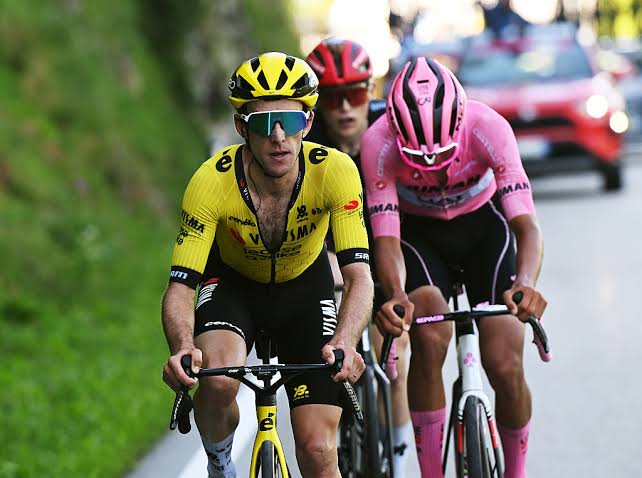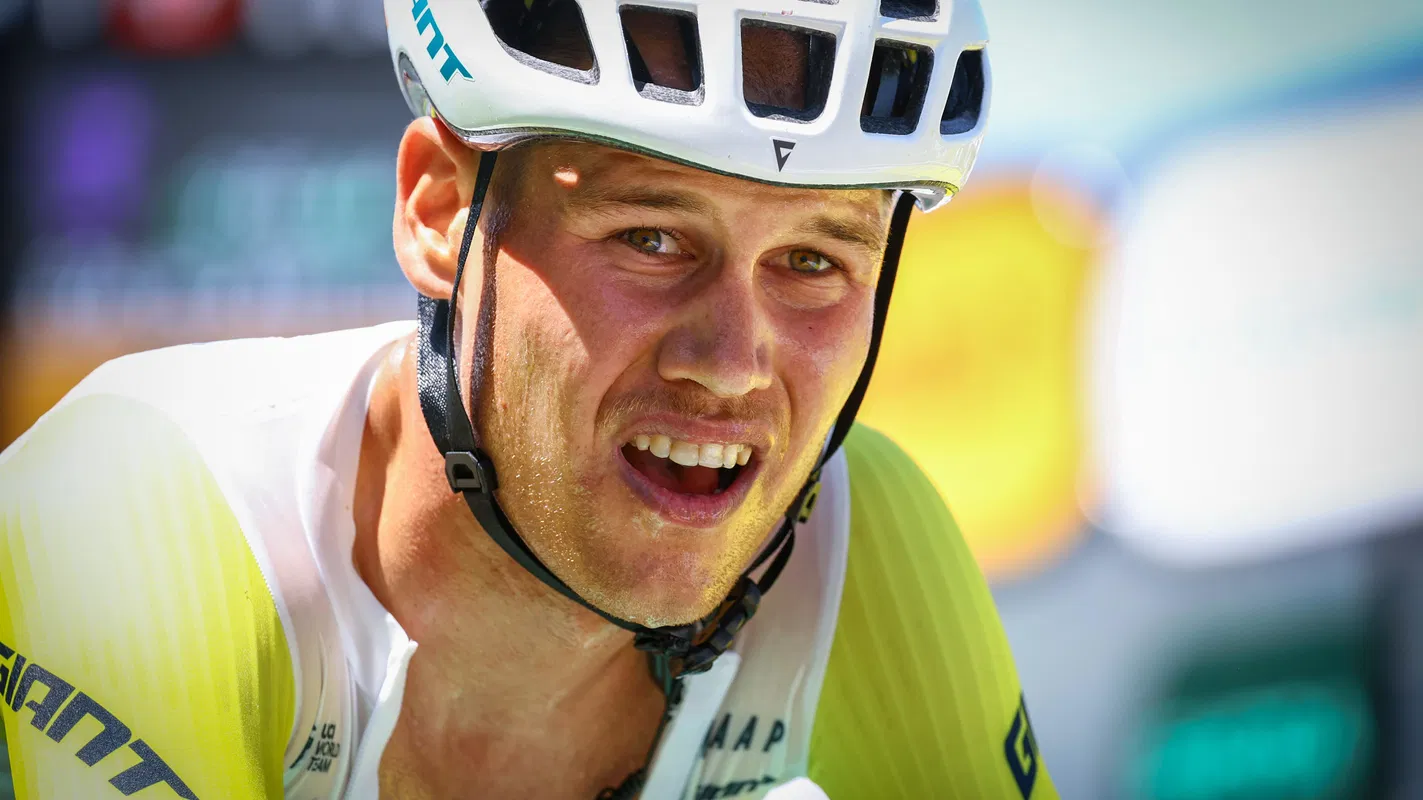
**Plapp’s Hospitalization with Third-Degree Hot Seat Burns – Tour de France Stage 13: The Cooldown*
The 2024 Tour de France, renowned for its grueling stages, unpredictable weather, and relentless competition, took an unexpected turn during Stage 13—dubbed *The Cooldown*—when Australian cyclist Michael Plapp suffered a severe and unusual injury: third-degree burns caused by a “hot seat.” This incident has captured the attention of fans, medical professionals, and cycling commentators worldwide, raising questions about safety protocols, equipment integrity, and the unforeseen hazards of high-performance racing.

In this comprehensive report, we delve into the circumstances leading to Plapp’s hospitalization, the nature of his injuries, the implications for the sport, and the ongoing recovery process.
Stage 13 of the Tour de France, held on a scorching summer day through the Pyrenees, was characterized by intense heat, high speeds, and strategic battles among the peloton. As riders navigated a particularly treacherous downhill descent, Plapp, riding for the Australian Cycling Team, was involved in a seemingly minor incident that had catastrophic consequences.
According to eyewitness accounts and subsequent investigations, Plapp’s bicycle encountered debris—a small rock or perhaps a manufacturing flaw in his saddle. As he adjusted his riding position, a sudden malfunction caused his saddle or seat post to overheat due to friction or electrical issues, resulting in an extreme localized heat exposure.
**However, the critical factor was the seat itself.** During the descent, Plapp’s saddle, equipped with a new “thermo-regulating” feature designed to maintain optimal temperature, malfunctioned. Instead of cooling, it generated excessive heat, becoming “hot enough to cause burns.” As Plapp shifted his position, prolonged contact with the seat led to third-degree burns on his buttocks and upper thighs.
Third-degree burns, also known as full-thickness burns, are among the most severe types of thermal injuries. They involve all layers of the skin, destroying nerve endings, blood vessels, and underlying tissues. Patients often require surgical intervention, skin grafts, and extended hospitalization.
In Plapp’s case, the burns covered a significant area, necessitating immediate medical assistant*Initial Treatment:** Upon arrival at the hospital, Plapp’s burns were stabilized with sterile dressings, IV fluids, and pain management.
– **Surgical Intervention:** Surgeons performed debridement to remove necrotic tissue, followed by skin grafting to facilitate healing.
– **Recovery:** The athlete faced weeks of rehabilitation, including physical therapy and psychological support.
The incident prompted an official inquiry by the Tour de France safety committee, cycling equipment manufacturers, and medical authoritie
*Equipment Malfunction:** The thermo-regulating saddle, produced by a leading cycling gear manufacturer, had a defect that caused overheating during prolonged use.
– **Design Flaw:** Testing prior to the race did not reveal the overheating issue, highlighting potential gaps in safety testing protocols.
Environmental Factors:The extreme heatwave conditions exacerbated the problem, as ambient temperatures soared past 40°C (104°F)
This was not an isolated incident; a few other riders reported discomfort and minor burns, but Plapp’s case was the most severe.
– Plapp was forced to withdraw from the race, citing medical advice and safety concerns.
– The incident sparked a debate about equipment safety standards in professional cycling.
– Fellow riders expressed concern over equipment reliability.
– Fans and commentators voiced shock and sympathy for Plapp’s ordeal.
– The cycling governing bodies promised a review of safety protocols and equipment testing procedures.
– In a heartfelt statement, Plapp expressed gratitude for the medical team’s swift response.
– He revealed plans for a lengthy recovery, including physical therapy and mental health support.
– Despite his injuries, Plapp maintained a positive outlook, emphasizing his dedication to returning to competition.
This incident underscores the importance of rigorous safety testing and constant vigilance in high-stakes sports. It raises questions about:
– **Equipment Reliability:** Manufacturers must ensure products withstand extreme conditions.
– **Pre-Race Testing:** Thorough, real-world simulations should be mandatory.
– **Emergency Preparedness:** Teams and organizers need robust protocols for handling severe injuries.
The cycling community responded proactively, with the UCI (Union Cycliste Internationale) announcing new safety audits and advocating for improved standards.
While Plapp’s recovery will be lengthy, his resilience and the support of his team and fans inspire hope. The incident may serve as a catalyst for industry-wide safety reforms, leading to safer equipment and better protective measure’s
– Continued medical treatment and skin grafts.
– Psychological support to cope with trauma.
– Potential advocacy for safety improvements in cycling gear.
Michael Plapp’s harrowing experience during Stage 13 of the Tour de France has cast a spotlight on an unforeseen hazard in professional cycling. While the incident was tragic, it also prompts crucial discussions about athlete safety, equipment standards, and the importance of preparedness in extreme sports.
As the cycling world reflects on this event, the hope remains that lessons learned will lead to enhanced safety protocols, preventing future injuries and ensuring that athletes can compete at the highest levels without undue risk.