Clemson University’s recent deliberations on introducing alcohol sales at its sporting events have ignited a complex dialogue, intertwining enthusiastic support, pointed controversy, and a spectrum of anticipated consequences.
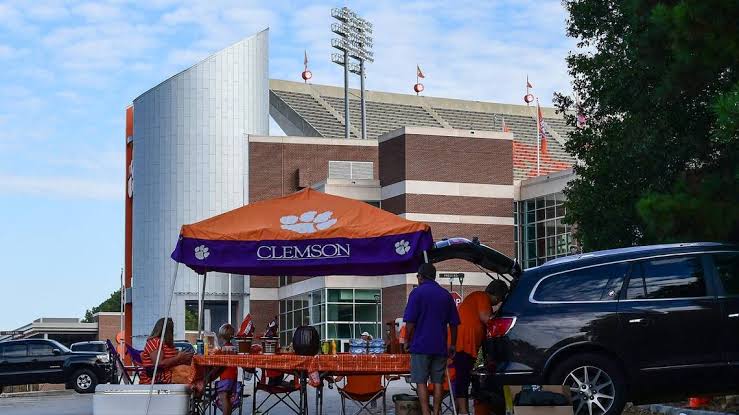
Historically, Clemson has maintained a stringent no-alcohol policy within its general seating areas at venues like Memorial Stadium and Littlejohn Coliseum, permitting alcohol consumption solely in premium seating sections such as luxury suites and club areas.
Historical Context and Policy Evolution.
For decades, Clemson’s policy prohibited the possession and public sale of alcoholic beverages in general seating areas of its athletic venues.
Exceptions were made for premium seating, where suite holders and club guests could bring in and store liquor ahead of games, with some areas offering on-site beer and wine service.
This approach aligned with the university’s commitment to fostering a family-friendly atmosphere during sporting events.
In September 2024, Clemson began posting licenses in specific buildings and areas on its main campus that are officially licensed to serve beer and wine during scheduled events.
This move was in coordination with guidance from the State Department of Revenue and the State Law Enforcement Division (SLED), ensuring compliance with state regulations.
Financial Implications and Revenue Considerations.
The financial landscape of collegiate athletics has undergone significant transformations, notably due to the House settlement, which mandates that institutions like Clemson allocate approximately $21.5 million annually in revenue sharing with athletes starting from the 2024-25 academic year.
This substantial, unbudgeted expense has prompted university officials to explore innovative revenue streams, with alcohol sales emerging as a viable option.
Athletic Director Graham Neff has acknowledged the critical need for creative financial solutions, emphasizing that the exploration of alcohol sales is an active and ongoing conversation within the university.
The potential financial benefits are underscored by the experiences of peer institutions; for instance, the University of South Carolina reported revenues of approximately $3 million from alcohol sales at Williams-Brice Stadium (football), $1.7 million at Colonial Life Arena (basketball), and around $920,000 at Founders Park (baseball) in 2023.
Public Reaction and Community Sentiment.
The prospect of introducing alcohol sales at Clemson’s sporting events has elicited a diverse array of reactions from the university community and its supporters.
Some fans view the move as a progressive step that could enhance the game-day experience and align Clemson with broader national trends. Conversely, others express concerns about potential disruptions to the family-friendly environment that has long characterized Clemson’s athletic events.
The university’s application for permanent alcohol licenses at key venues, including Memorial Stadium and Littlejohn Coliseum, further fueled speculation and debate.
While university officials clarified that these applications were primarily aimed at complying with new state guidelines for alcohol storage and catering at special events, the public notices prompted discussions about the future of alcohol sales at Clemson’s sporting events.
Safety, Compliance, and Cultural Considerations.
Implementing alcohol sales at sporting events necessitates a comprehensive evaluation of safety protocols, compliance with state regulations, and the preservation of Clemson’s cultural values.
The university must consider measures to prevent underage drinking, manage consumption responsibly, and ensure that the introduction of alcohol does not compromise the safety and enjoyment of all attendees.
Collaborations with state agencies, such as the Department of Revenue and SLED, are essential to navigate the regulatory landscape effectively.
Moreover, Clemson’s identity is deeply rooted in traditions that emphasize community and family-friendly environments.
Any policy shifts regarding alcohol sales must be carefully balanced to respect and uphold these values, ensuring that changes do not alienate segments of the university’s diverse fan base.
Conclusion.
Clemson University’s contemplation of introducing alcohol sales at its sporting events represents a pivotal moment, reflecting broader shifts in collegiate athletics and the financial imperatives facing educational institutions.
While the potential for increased revenue is evident, the university must navigate a complex tapestry of community sentiments, safety considerations, and cultural values.
As discussions continue, Clemson stands at the crossroads of tradition and change, tasked with making decisions that will shape the future of its athletic events and the experiences of its supporters.